
Zoyander Street wants to read The Way Out by Alan Gordon
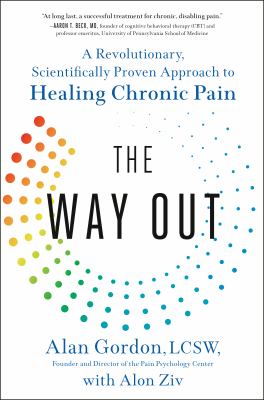
The Way Out by Alan Gordon, Alon Ziv
Chronic pain is an epidemic. 50 million Americans struggle with back pain, headaches, or some other pain that resists all …
Book log of disabled neuroqueer trans guy working with interactive media across disciplines. Raised and ruined in South Yorkshire, England. PhD Sociology, MA History of Design. Profile pic by ellaguro / Liz Ryerson
This link opens in a pop-up window
7% complete! Zoyander Street has read 3 of 40 books.
Chronic pain is an epidemic. 50 million Americans struggle with back pain, headaches, or some other pain that resists all …
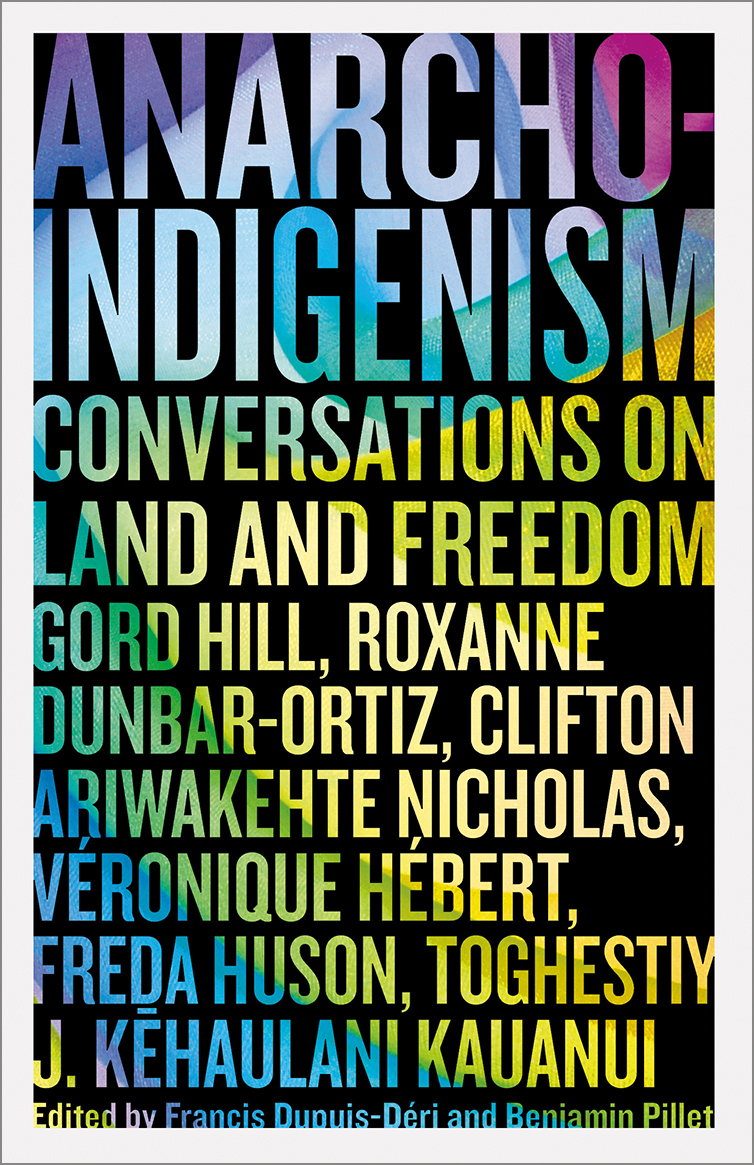
As early as the end of the nineteenth century, anarchists such as Peter Kropotkin and …
The meeting point of anarchism and indigenous politics is bursting with juicy contradictions and historical throughlines. The conversations in this book often challenge fundamental concepts that are often taken for granted. Is the fundamental unit of autonomy necessarily the individual, or can anarchism allow for the autonomy of a group or a people? What does it mean to "occupy" stolen land as a form of resistance? When is legal recognition a worthwhile goal, and when is it a trap?
Each of the six interviews in this book has a distinctive voice, and I think most people will be able to find at least one that resonates with them. Some chapters are conversational and meandering, while others are directed by a clear set of concerns and priorities set by the interviewee. My preference is always for the latter, but I know a lot of people who are more at home …
The meeting point of anarchism and indigenous politics is bursting with juicy contradictions and historical throughlines. The conversations in this book often challenge fundamental concepts that are often taken for granted. Is the fundamental unit of autonomy necessarily the individual, or can anarchism allow for the autonomy of a group or a people? What does it mean to "occupy" stolen land as a form of resistance? When is legal recognition a worthwhile goal, and when is it a trap?
Each of the six interviews in this book has a distinctive voice, and I think most people will be able to find at least one that resonates with them. Some chapters are conversational and meandering, while others are directed by a clear set of concerns and priorities set by the interviewee. My preference is always for the latter, but I know a lot of people who are more at home with the former. A highlight of many chapters in this book is the international solidarity work that contributors have carried out, connecting indigenous struggles on turtle island with Palestine, Aotearoa New Zealand, Greece, etc.
I left this book hungry for more, which I think is a success. I do feel a little saddened by the moments where the interviewee is having to explain the simple version of a complex problem to a non-indigenous audience; I wanted to see the version of this conversation that could have happened if the interviewer and interviewee shared an indigenous positionality, so that these explanations could be taken for granted and more complexity could be explored.

Ezra Friedman sees ghosts, which made growing up in a funeral home complicated. It might have been easier if his …
As early as the end of the nineteenth century, anarchists such as Peter Kropotkin and Élisée Reclus became interested in …
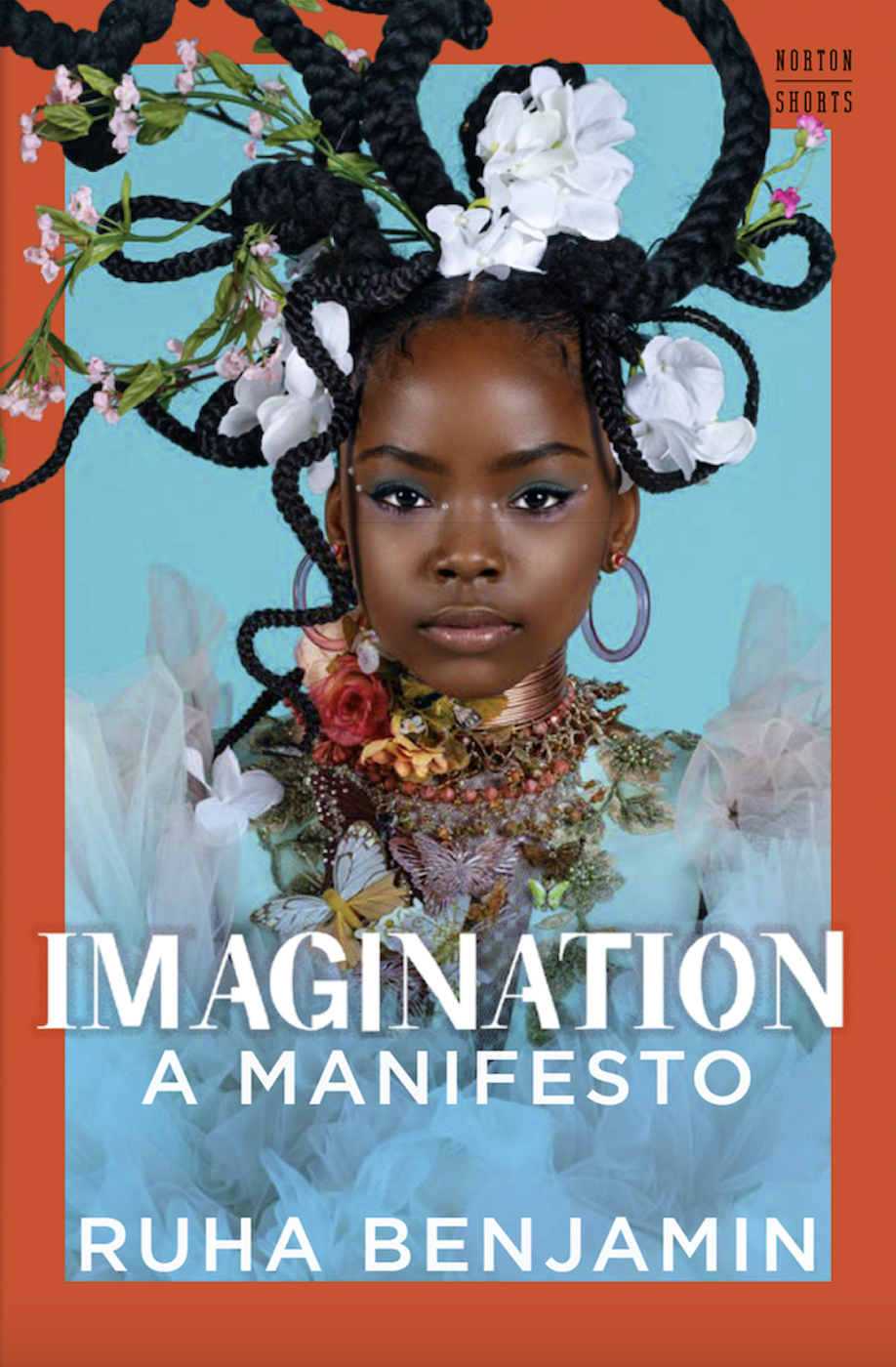
It took a couple of chapters for me to realise that Imagination: A Manifesto isn't an artist text for thinking with, or a beacon for a creative movement, but a teaching text. It would be a good resource for a high school student or first-year undergrad looking for direction in a world where we can feel so powerless and hopeless.
This is an easy read, written like a TED talk or a series of lectures by a really engaging professor, and I imagine the latter is probably close to how Ruha Benjamin developed it. Once in a while, there is an absolute clanger of a sentence that makes me cringe. "Why can we imagine growing heart cells from scratch in a lab, but not growing empathy for other human beings in our everyday lives[?]" or "...calamity and turmoil are all there is, until earth becomes one giant hashtag: #TheEnd …
It took a couple of chapters for me to realise that Imagination: A Manifesto isn't an artist text for thinking with, or a beacon for a creative movement, but a teaching text. It would be a good resource for a high school student or first-year undergrad looking for direction in a world where we can feel so powerless and hopeless.
This is an easy read, written like a TED talk or a series of lectures by a really engaging professor, and I imagine the latter is probably close to how Ruha Benjamin developed it. Once in a while, there is an absolute clanger of a sentence that makes me cringe. "Why can we imagine growing heart cells from scratch in a lab, but not growing empathy for other human beings in our everyday lives[?]" or "...calamity and turmoil are all there is, until earth becomes one giant hashtag: #TheEnd".
(I wonder if these sentences land better if you've been taught by Benjamin and are familiar with her cadence. To be honest, I wish Benjamin's writing was a bit sillier in general, so that I could hear these moments spoken with a cheeky grin.)
This book is at its best when Benjamin describes various projects that aim to intervene in the ways systems of power are enacted, materialised, or represented. For example, Chapter Five, Imagining the Future, digs into art projects that materially interrogate the (present-day) situation of border policing, as well as wider issues of belonging under the eugenicist settler colonial state. It's fascinating, but it gets me wondering what happened when we stopped describing these as acts of making / research / direct action, and instead as acts of imagination? To return to those petri-dish heart cells: we can "imagine" it because it has been materially demonstrated, i.e. we're not really being asked to imagine anything in that situation. Isn't that the point of the artist-activist interventions that she describes: material demonstration overcomes the limits of imagination?
Imagination: A Manifesto is also about play, and draws on experimental games and the anthropology of play frequently. Benjamin's main point is that play, which is necessary for childhood development, is inequitably distributed, leading the least privileged young people to be deprived not only of play but of imagination. As a games person, I'm a bit troubled by Benjamin's use of "play" as an interchangeable concept with "imaginary". Again, part of the problem here is the lack of space available to delve into questions such as what play is, how different types of play engage the imagination, and the communication between a designer's imagination and a player's (who might be a child or an adult!) Instead of this bridging work we get, as is often the case with mentions of games in popular writing, assurances that "games are serious business" (another cringe moment). The same defense is not considered necessary when she writes about projects closer to the fine art world.
I don't disagree with this book, but its central argument might be too bland to be disagreeable: yes, we do need to empower people to imagine better worlds, and center the imaginaries of people whose voices have been silenced. Yet Benjamin isn't a bland thinker: Chapter Three is literally titled "Imagining Eugenics", putting in the strongest possible terms the consequences of centering the imaginations of the most privileged and constraining the imaginations of the oppressed.
Maybe what actually connects all the examples and ideas in this book isn't imagination, but practice. Each chapter could just as easily be re-titled, replacing the word "imagining" with the word "practising". Play is a way of practising life. The art projects she describes are ways of not just imagining, but practising different ways the world could be. The "imagination incubator" she describes in the final chapter is a space to practice the kind of worldbuilding we want to do in our lives, including researching who is already doing the kind of work that we think needs to happen (a vital step that I think is often missed in design labs). For a book that describes material interventions in the world's injustices and inequities, "imagination" seems to sell its subjects short.

On the Great Plains of Oklahoma, in the heart of the Cherokee Nation, a strange atmospheric disturbance is noticed by …

Arturo Escobar: Designs for the pluriverse (2018)
Arturo Escobar presents a new vision of design theory by arguing for the creation of what he calls ""autonomous design""--A …
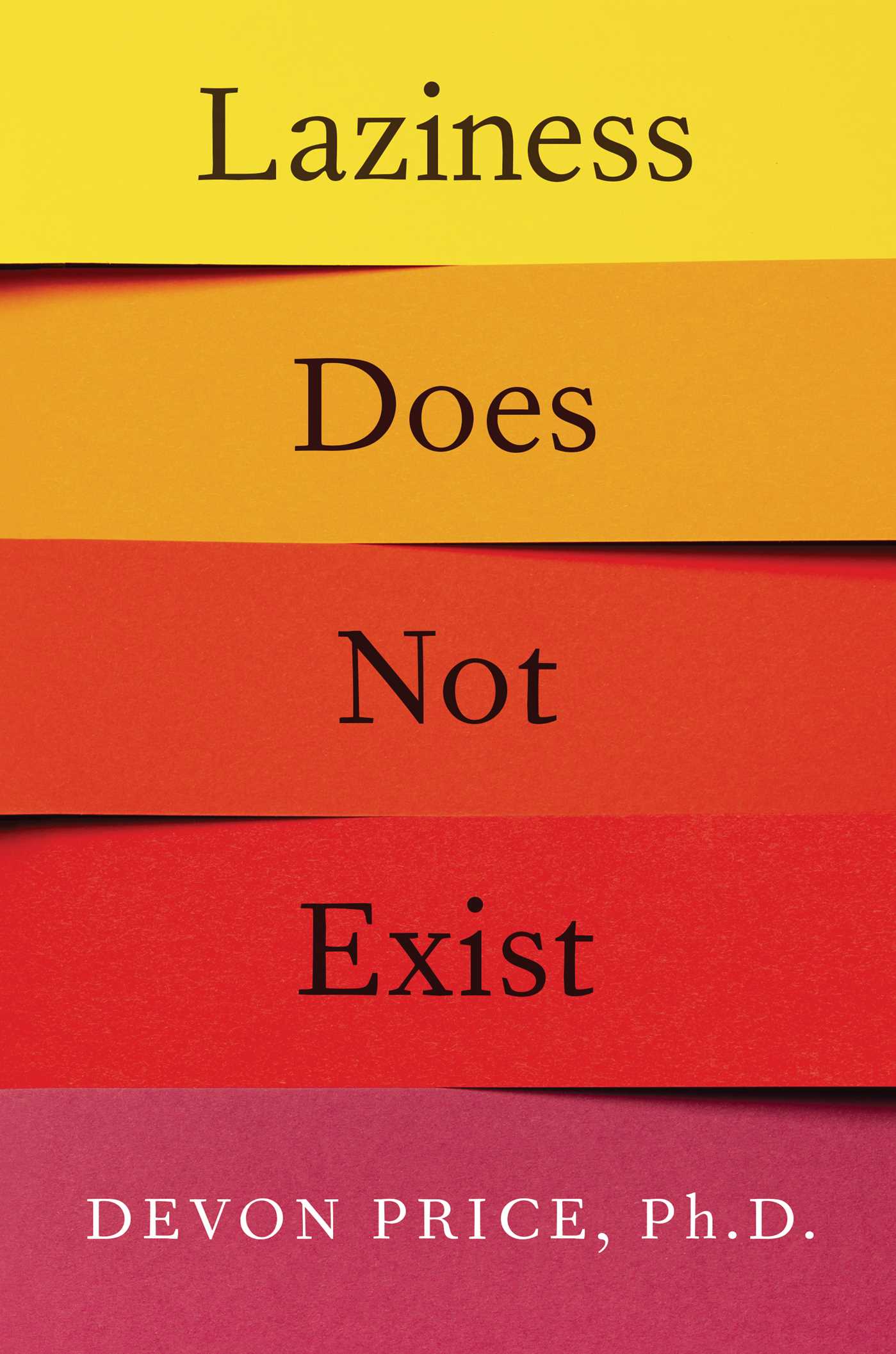
From social psychologist Dr. Devon Price, a conversational, stirring call to “a better, more human way to live” (Cal Newport, …
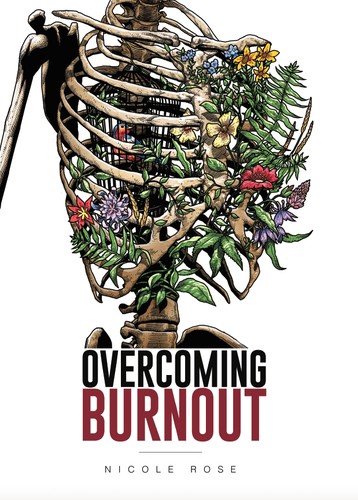
Nicole Rose discusses burnout from a working-class dissident standpoint that's rarely centred in writing on this topic. At the same time, she refuses to be exceptionalised for this positionality in order to pander to a presumed "general" (more privileged) audience. It's refreshing to read sentences like "most of us don't eat well because we're broke" that feel more grounded in my own material reality than your typical wellness writing.
I came across Overcoming Burnout at an anarchist book fair, and it was sold to me with a disclaimer: apparently since its publication, the author has since stated that it is itself reflective of the habits and traits that led her to burnout in the first place. The book is a collection drawn from the author's blog in 2016-2017. It carries with it a personal tone and to some extent, an assumed audience of likeminded people familiar with the author's …
Nicole Rose discusses burnout from a working-class dissident standpoint that's rarely centred in writing on this topic. At the same time, she refuses to be exceptionalised for this positionality in order to pander to a presumed "general" (more privileged) audience. It's refreshing to read sentences like "most of us don't eat well because we're broke" that feel more grounded in my own material reality than your typical wellness writing.
I came across Overcoming Burnout at an anarchist book fair, and it was sold to me with a disclaimer: apparently since its publication, the author has since stated that it is itself reflective of the habits and traits that led her to burnout in the first place. The book is a collection drawn from the author's blog in 2016-2017. It carries with it a personal tone and to some extent, an assumed audience of likeminded people familiar with the author's life. I'm not familiar with the author, so this book is my introduction to Rose's concerns and commitments. It begins when Rose is already sick due to burnout, and this is a challenging place to meet someone. She is critical of herself and others, disenchanted, and a little abrasive at times: Chapter 2 is entitled "when did I get so mean?" I feel that way myself at the moment, in the thick of burnout myself.
Chapters 1-9 are diaristic and introspective, covering the author's experiences of burnout in the context of her activist practice. Rose often seems to take for granted things about her life and her work that are truly remarkable, such as her experience as, and work with, incarcerated people. Or rather, she directly calls out the tendency for middle-class activists to treat her as a brave and exceptional person for having been incarcerated, when it is "the least romantic thing imaginable". I keep catching myself falling into that same habit, when Rose describes casually and in passing some of the shit she's been through.
The focus widens from Chapter 10 onwards, directing attention to lessons for the author's community of activists. I got the most out of the later chapters of the book, which connect Rose's experiences to those of her disabled and chronically-ill comrades as well as research into the psychology and physiology of activist stress. Chapters 14-20 primarily explore practical issues such as physical healing, organising, and mental health in an interconnected, collective way that centres ecology and solidarity. The final few chapters synthesize all of this together, highlighting the role of isolation in fostering and exacerbating burnout and the need to build resilience collectively.